NEW YORK, April 20, 2026
Germany’s industrial slowdown in 2026 is becoming a growing concern not just for Europe, but also for countries like Türkiye that are closely tied to its economy. As Europe’s largest economy, Germany has long been powered by its strong manufacturing sector. But recent developments suggest that this engine is losing momentum.
Rising Energy Costs Are Hitting Industry Hard
One of the biggest challenges facing German industry right now is the sharp increase in energy costs. Sectors like automotive, chemicals, and heavy manufacturing rely heavily on stable and affordable energy.
Over the past year, electricity and natural gas prices have remained high, putting serious pressure on production costs. For many companies, this means tighter margins, reduced output, or even considering moving parts of their operations abroad.
Global Demand Is Slowing Down
Germany’s economy depends heavily on exports, and that’s where another problem is emerging. Demand from key markets is weakening.
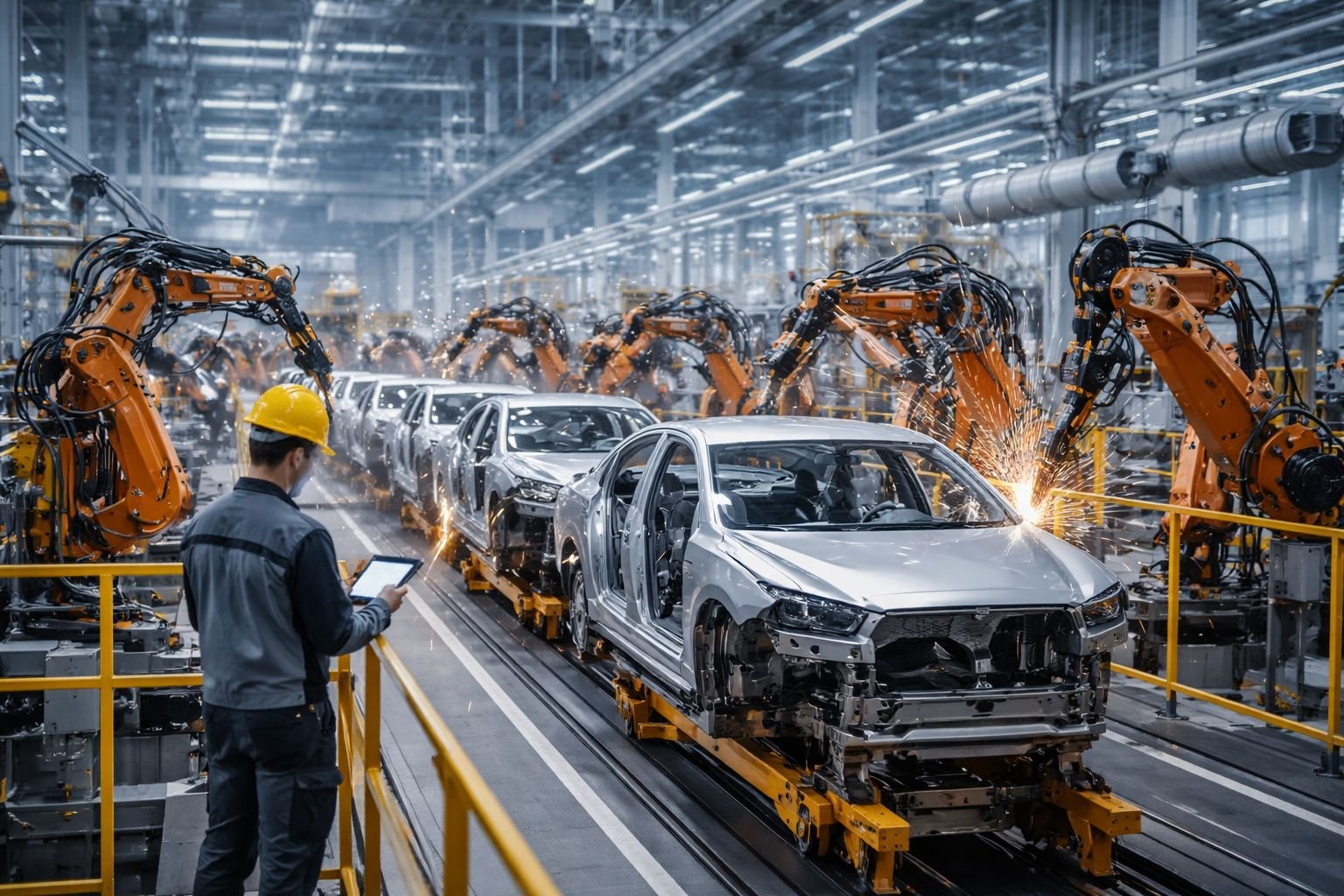
China’s slower growth, combined with soft demand across Europe and uncertain conditions in global markets, is reducing orders for German products. The automotive sector, in particular, is feeling the impact as it navigates both declining demand and the transition to electric vehicles.
Signs of a Broader Industrial Slowdown
Recent data points to a clear trend. Factory orders are declining, production levels are slipping, and companies are becoming more cautious about new investments.
While this doesn’t necessarily mean a deep recession is coming, it does suggest that growth could remain very limited in the near term. For a country that has long been Europe’s economic backbone, even a period of stagnation is significant.
Structural Challenges Are Adding Pressure
Beyond short term issues, Germany is also dealing with deeper structural challenges.
The transition to green energy, while necessary, comes with high costs. At the same time, there is a growing shortage of skilled workers, and progress in digital transformation has been slower than expected. Bureaucratic hurdles are also making it harder for businesses to adapt quickly.
These long term issues are making it more difficult for Germany to stay competitive on a global scale.
What This Means for Türkiye
Germany’s slowdown matters a lot for Türkiye. As one of Türkiye’s largest trading partners, any change in German demand can directly affect Turkish exporters.
Industries that could feel the impact include automotive suppliers, textiles, and machinery. A drop in German orders may lead to lower export volumes and reduced revenue.
However, this situation could also create opportunities. Türkiye’s flexible manufacturing base and strategic location could help it position itself as an alternative supplier in global supply chains.
Looking Ahead
Economists believe that Germany’s current slowdown could be temporary, but much depends on how policymakers respond. Reducing energy costs, supporting industry, and accelerating digital and green investments will be key.
For Türkiye, this is a moment to adapt. Diversifying export markets and focusing on higher value production could help reduce dependence on a single market.
Germany’s industrial slowdown in 2026 is a reminder of how interconnected today’s economies are. What happens in one country can quickly ripple across regions.
For Europe, it raises questions about growth and stability. For Türkiye, it presents both risks and opportunities. The coming months will be crucial in shaping how this story unfolds.